

Pedazo de entrevista... Plaza Nisour, China, Azerbayán, jefe para Iraq del contrato WPPS, etc etcErik Prince exclusive interview
Blackwater CEO responds to firm’s controversial reputation, place in military operations
Posted : Monday Jul 14, 2008 14:06:23 EDT
Blackwater Worldwide is the best-known of the private military companies whose personnel have become a ubiquitous presence in Iraq and Afghanistan.
Founded in 1997 by Erik Prince, a former Navy SEAL officer, Blackwater has grown into a firm with 600 full-time employees in the U.S. and 2,000 contractors serving abroad, most in Afghanistan and Iraq. The company’s wide-ranging business ventures include personal security services, manufacture of combat vehicles, operation of a fleet of aircraft and much more.
But Blackwater’s reputation has been tainted by several high-profile incidents that have garnered negative publicity, most recently a Sept. 16, 2007, incident in Baghdad’s Nisour Square in which a Blackwater personal security detail escorting a State Department convoy allegedly shot 17 Iraqi civilians.
In a July 7 meeting with the Military Times editors and reporters, Prince vigorously defended his company, which he said had a guiding principle of “operational excellence.”
The following are extracts from that meeting, edited for brevity and clarity.
Q. Under what constraints are you operating when it comes to publicly explaining or defending yourself against the allegations that have been leveled at you over the last couple of years?
A. We go to work [in Iraq] for the State Department, who by contract says you will have no contact with the media. So 99 out of 100 times, we have to say, “No comment to the media,” and we still try to abide [by] that however we can. This is kind of an anomaly, me going to an editorial board, but, you know, I’m here not really to talk about our State Department stuff but about the other stuff we do for DoD and aviation and etcetera.
But that is a difficult quandary that we’re put into where we’re a punching bag of sorts for folks that want to attack whatever is going on in Iraq and we’re not able to put the facts out.
We’ve done well over 20,000 missions now for the State Department. Probably point-4 of 1 percent of all those missions have resulted in the discharge of a firearm — not 4 percent, point-4 percent of 1 percent. So the idea that the guys are trigger happy and shooting up the place is just grossly inaccurate, and still, no one under our care has been killed or injured.
Q. Do you think the State Department could or should have done more to defend you?
A. I’m not here to criticize the State Department at all. … They have a difficult job there, we have a difficult job there. And I’m proud to say that no one under our care has been killed or injured, and we’re big boys, and we can take those lumps, and I’m honored that they renewed our work, that they see the value that we provide them.
Q. You recently put a retired Delta Force officer in charge of your State Department contract. What changes has Blackwater made to how your people conduct themselves downrange since he came on board?
A. His rotation to that job was a normal career rotation in the business. That job is a pressure cooker and the phone never turns off, and there’s always things happening overseas.
State Department has put cameras and DS [Diplomatic Security] agents in with our convoys. That’s something we’d asked for back in 2005 already in writing. [Our attitude] was, don’t take our word for it — let the camera or the government DS agent be that third-party arbiter to avoid the kind of incidents which, you know, got very overblown last September.
Q. Is that DS agent the senior guy in the convoy now?
A. Yes. He is the last word.
Q. We’ve heard that there has been a series of changes made that might improve the way people perceive Blackwater personnel in combat zones, such as no more goatees, no visible tattoos and no alcohol when deployed.
A. Well, we’ve had a no-alcohol policy for a long time. The haircut and uniform presentation is very, very clearly defined for State Department.
Our problem is there’s 170-some security companies in Iraq, and because really since 2003 we’ve protected the most al Qaida-worthy targets, we would constantly get calls, even now, even today, we get calls that Blackwater guys were involved in a shooting or Blackwater guys were captured or killed here or there, and when we go and investigate, and they weren’t within 100 miles of that because we know where each of the vehicles are. We track them with Blue Force Tracker so we know what they’re doing and what they’re not doing.
Blackwater kind of became the Xerox or the Kleenex brand name for the industry, [so] that any armed Americans in a Suburban or an SUV were “Blackwater guys.” Well, no, we only have a total of 1,000 people in Iraq, and only 600 or so of those would be protective folks and the rest would be gate guards, logisticians, mechanics for the helicopters, air crews — that kind of thing.
Q. Where does the FBI investigation into the Sept. 16 incident stand, and was it established that the Blackwater personnel were fired on first?
A. The FBI investigation is still ongoing. I can tell you there’s a radiator that came out of that [Blackwater] truck that had AK rounds lodged in it, and the reason the vehicle was stuck there was because there was an AK round that cut the coolant hose and the curse of modern engines is if you got no coolant, the computer won’t let you run the engine.
Q. The U.S. government and the Iraqis have been negotiating a status of forces agreement. There have been reports in the past week that rather than cordoning private security people off as protected under that SOFA, that perhaps they would be subject to local jurisdiction.
A. We’ve heard a lot of speculation on that. We’ve heard no definitive word from our government customers on that, and we’re standing by for further orders.
Q. If your people could be prosecuted under Iraqi law, would you maintain the agreement that you have with the State Department?
A. A significant change like that would certainly cause a whole bunch of things to be renegotiated. That’s a substantial change.
Q. Do you work for other countries, or just for the U.S.?
A We do some training work for other countries, some helicopter support and training and maintenance and that kind of stuff. In Azerbaijan, we were hired by DoD to build for them a naval special warfare capability to defend the oil platforms and interdict weapons and drugs and whatever else in the southern Caspian [Sea]. And with a very small team, never more than four to six guys, we built over about a year and a half a unit, and we took them from zero capability to doing underway ship-boarding in 10 months. And we also redid their entire base, the pool, climbing tower, the shoothouse, the ranges, the boathouse, everything — and for a very, very, very small fraction of what it would cost DoD to do it.
Q. Have you turned down any countries?
A. Sure. We had a lot of inquiries from China a couple years ago wanting police training before the Olympics, and that’s just not something we wanted to do.
Q. What’s the difference between working for the Azeris and working for the Chinese?
A. Well, China has plenty of human rights challenges and we didn’t want any of our training to be used in another Tiananmen Square-type faceoff. Simple.
Q. Another difference is also the U.S. government said they wanted you to go to Azerbaijan. They didn’t ask you to go to China.
A. Correct. They hired us to do that [in Azerbaijan].
Q. Because Azerbaijan doesn’t have the best human rights record, either.
A. In this case, they’re trying to build a small, focused capability to do maritime protection. But it was something that was in the U.S. foreign policy interest, and our training has to align with that.
Whatever we do overseas has to align with that.
Blackwater / Xe / IDS / Academi - R2
Otra entrevista a Erik Prince, esta vez le toca a Army Times:
Cry havoc and unleash the hawgs of war - Otatsiihtaissiiststakio piksi makamo ta psswia


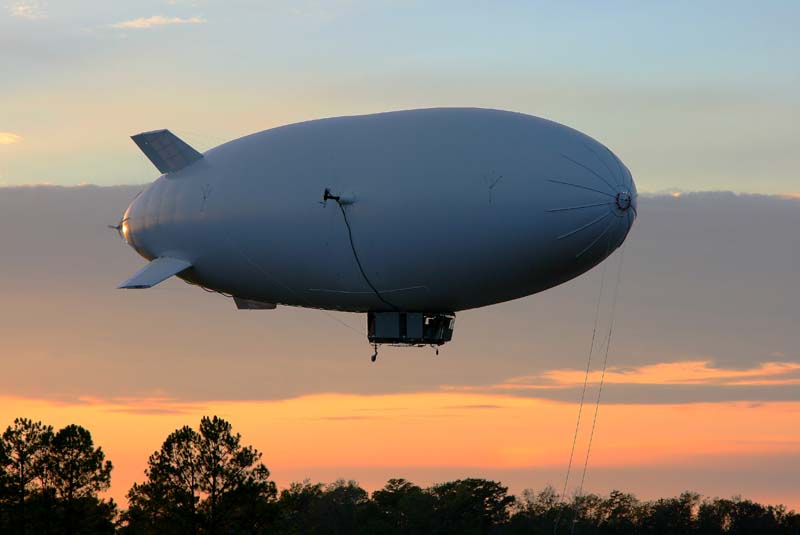
Sobre el Polar 400 en la revista Air Force Times:
Blackwater looks to meet ISR needs
By Michael Hoffman - Staff writer
Posted : Saturday Jul 19, 2008 7:59:31 EDT
To match its light transport aviation arm, Blackwater Worldwide has spent two years trying to bust into the unmanned aerial vehicle realm with its Polar 400 airships.
Defense Secretary Robert Gates described the appetite for intelligence, surveillance and reconnaissance collection, including full-motion video from UAVs, as “insatiable.”
But the Army and Air Force can’t seem to keep up as Gates described getting the military to provide more airborne ISR as “pulling teeth,” even though the number of Predator orbits — or continuous 24-hour patrols —have doubled in theater since last year.
Much like the Army needing help — hence Blackwater’s former Navy Seals providing private security details — the ISR gap is growing and Blackwater is ready to pounce.
Although still in development, Blackwater’s new airships can fly twice as long as Air Force Predators and operate at one-fifth the cost, said Blackwater Worldwide CEO Erik Prince. The 170-foot airships are slow and won’t fire Hellfire missiles like the Predators and Reapers, but it can carry the ISR sensors in high demand.
Blackwater has already spoken with Defense Department organizations and other nations about purchasing the airship’s services, said Alan Ram, director of production and business development for Blackwater Airships.
Prince compared his company’s airship to an F-150 pickup where nations could plug in their sensors, including forward looking infrared sensor balls, cell phone intercept boxes, radio repeaters and synthetic aperture radars.
“The government would put their own sensors on the airship, and they could run all the sensors,” Prince said.
Blackwater hasn’t decided how it will contract out the airship, but Prince said his company is leaning toward flying the airships and then charging for coverage by the hour.
“Our model will not necessarily be to sell it but to provide the service turnkey so the military doesn’t have to stand up a whole new squadron to run blimps,” Prince said.
In the past, airships have proven ineffective because they were susceptible to weather, especially high winds, Ram said. Blackwater designed a propulsion system so the pilot can control the airship on all three axes, he said.
The airship can travel at a top speed of 50 knots, restricting it from effectively responding to quick-reaction requirements like a ground unit taking enemy fire 40 miles away. But it can hover over 10 city blocks and keep a watchful eye for up to 60 hours depending on the airship’s altitude, Ram said.
Prince also suggested his airships could replace Predators flying drug and alien interdiction missions over the U.S-Mexico border and the Caribbean. He proposed using one ship as a “lily-pad” and launching three to four airships to form a chain.
But Rep. Jan Schakowsky, D-Ill., told Air Force Times that she would not support such a chain, saying it would only extend a disturbing trend of handing national security over to private companies.
“Now we’re talking about a private, for-profit company having grandiose notions of replacing the Coast Guard and the Navy,” she said. “I think that’s very dangerous.”
Tom Ehrhard, a retired Air Force colonel and fellow at the Center for Strategic and Budgetary Assessments, said he isn’t surprised Blackwater is expanding into UAVs.
“It only highlights the dramatic increase of importance for ISR since 9/11,” he said.
“They recognize there is a great need for it just like the military. Their guys have been hit by [improvised explosive devices] just like our guys.”
Cry havoc and unleash the hawgs of war - Otatsiihtaissiiststakio piksi makamo ta psswia
Noticia sospechosa:
Esto solo podría significar una cosa, que el gobierno USA seguirá siendo el único cliente de Blackwater (DoS, DEA, FAA, DoD y "otros"), habrá que estar atento a ver que pasa con la Iniciativa Mérida.
¿Cómo cambia de giro (deberían decir de rumbo) una empresa que va a seguir dedicándose a lo mismo que ahora? es que el entrenamiento, los servicios de aviación, la logística y la protección de diplomáticos son hoy por hoy todo lo que hace Blackwater, que no es poco.Blackwater planea cambiar de giro
Por MATT APUZZO y MIKE BAKER
© 2008 The Associated Press
Blackwater Worldwide anunció que cambiará de giro y dejará de participar en el ramo que le hizo ganar millones de dólares y la convirtió en objeto de debate sobre el uso de contratistas de seguridad en las zonas de guerra.
"La experiencia que hemos tenido será definitivamente desalentadora para cualquier otra compañía que quiera comenzar y poner todo su negocio en riesgo", afirmó Erik Prince, su fundador y director general, en declaraciones a The Associated Press durante una visita de un día a las instalaciones de la empresa en Carolina del Norte.
Los ejecutivos de Blackwater dicen que se han convertido injustamente en un símbolo de todos los contratistas en Irak y por lo tanto, la empresa es un blanco para todos los opositores a la guerra.
La compañía seguirá proporcionando seguridad a los funcionarios estadounidenses en Irak, pero su futuro se centrará en el entrenamiento, la aviación y la logística.
"La seguridad nunca fue parte de nuestro plan principal", afirmó el presidente de la compañía, Gary Jackson.
Blackwater ganó cientos de millones de dólares protegiendo a los diplomáticos estadounidenses en Irak, uno de los diversos contratos que la empresa mantenía con el gobierno y le dieron 1.000 millones de dólares desde el 2001
La empresa ha sido muy vigilada desde septiembre, cuando sus contratistas de seguridad abrieron fuego en una intersección de Bagdad muy transitada como respuesta a un coche bomba. Diecisiete iraquíes murieron en esa acción, con lo que se iniciaron audiencias en el Congreso y una investigación del FBI.
En otro caso, el Departamento de Justicia decidirá si presentará cargos contra diversos contratistas involucrados en un tiroteo en la plaza de Nisoor, en Bagdad. Blackwater no está sujeta a esa investigación pero ha prometido colaborar con ella.
Esto solo podría significar una cosa, que el gobierno USA seguirá siendo el único cliente de Blackwater (DoS, DEA, FAA, DoD y "otros"), habrá que estar atento a ver que pasa con la Iniciativa Mérida.
Cry havoc and unleash the hawgs of war - Otatsiihtaissiiststakio piksi makamo ta psswia
Aviso, a continuación viene un tocho explicativo 
¿A qué renuncia exactamente Blackwater? pues leyendo las declaraciones de Erik Prince, Gary Jackson, Bill Mathews y Seamus Flatley (las declaraciones, no las interpretaciones de la prensa) vemos dos cosas:
* Sus dos contratos de protección, el WPPS y el que proporciona guardaespaldas y servicios especiales a la CIA (total, esto no es ningún secreto) no dan tanto dinero como sus contratos de entrenamiento, formación y apoyo. Al fin y al cabo esto es un negocio, así que se va a por lo que da más dinero.
* La acumulación de demandas, pleitos, investigaciones y la caza de brujas continua lanzada por Waxman y Schakowsky, tiene a sus directivos más ocupados defendiendo a la empresa que haciéndola crecer. Puede parecer extraño, pero a Blackwater le sobran ex-Delta y le faltan directivos.
* Los nuevos centros de entrenamiento requieren mucho tiempo y dinero, conseguir personal para equipos de PSD es relativamente fácil, crear un equipo de instructores es mucho más difícil y cuesta más dinero. Idem por la flota aérea, que supera ya las cincuenta aeronaves en propiedad (no tengo idea de cuantas a través de tapaderas) y que empiezan a barajar como usar los SuperTucano de forma activa "en el futuro".
* Unas cuantas frases sueltas de lo último aparecido en agencias de prensa:
* Un detallito, así sin importancia, hoy mismo ha salido un documento del DoS que dice que Blackwater tiene un "examen" en el tercer cuatrimestre de 2009 para renovar su puesto como líderes del WPPS... si es que, los malditos papeles
¿A qué renuncia exactamente Blackwater? pues leyendo las declaraciones de Erik Prince, Gary Jackson, Bill Mathews y Seamus Flatley (las declaraciones, no las interpretaciones de la prensa) vemos dos cosas:
* Sus dos contratos de protección, el WPPS y el que proporciona guardaespaldas y servicios especiales a la CIA (total, esto no es ningún secreto) no dan tanto dinero como sus contratos de entrenamiento, formación y apoyo. Al fin y al cabo esto es un negocio, así que se va a por lo que da más dinero.
* La acumulación de demandas, pleitos, investigaciones y la caza de brujas continua lanzada por Waxman y Schakowsky, tiene a sus directivos más ocupados defendiendo a la empresa que haciéndola crecer. Puede parecer extraño, pero a Blackwater le sobran ex-Delta y le faltan directivos.
* Los nuevos centros de entrenamiento requieren mucho tiempo y dinero, conseguir personal para equipos de PSD es relativamente fácil, crear un equipo de instructores es mucho más difícil y cuesta más dinero. Idem por la flota aérea, que supera ya las cincuenta aeronaves en propiedad (no tengo idea de cuantas a través de tapaderas) y que empiezan a barajar como usar los SuperTucano de forma activa "en el futuro".
* Unas cuantas frases sueltas de lo último aparecido en agencias de prensa:
Industry observers say Blackwater's decision to scale back security work is not a ruse to cover up a decline in business. Loren Thompson, a military analyst with The Lexington Institute, said Blackwater's work would be dearly missed if the company left the industry.
"There's a real possibility that if Blackwater exits the business, that some U.S. officials will receive inferior protection in war zones — and deaths will result," Thompson said.
Blackwater officials stress that the company will honor its current security contracts and take on those sought by the U.S. government.
* ¿Qué va a hacer Blackwater? centrarse en los contratos de entrenamiento de unidades de países en situaciones de inestabilidad, seguramente se mantendrá en el WPPS como poco, aumentará su relación como fabricante y suministrador de equipos y sistemas bajo pedidos concretos y que exigan un tiempo de desarrollo muy corto, y -muy probablemente y esto va ya como apuesta personal- van a empezar a mover a Greystone de una vez, un nombre que no tienen quemado para tareas de seguridad.Blackwater is also building an air force of sorts. The company and its affiliates have more than 50 aircraft at its disposal, many with the flexibility to land in remote airstrips.
The fleet includes a Brazilian fighter plane — the Super Tucano — to be used in demonstration and training. Seamus Flatley, the director for special programs at Blackwater affiliate Presidential Airways, said such an aircraft could one day be deployed in a war zone for pilots to run contract missions at a savings to the government.
"I think it makes perfect sense for counterinsurgency air warfare," Flatley said. "I think it has validity. But it goes back to the whole issue ... can you have a contractor in an airplane squeezing a trigger? In this day and age right now, I'd say the environment would not allow it."
* Un detallito, así sin importancia, hoy mismo ha salido un documento del DoS que dice que Blackwater tiene un "examen" en el tercer cuatrimestre de 2009 para renovar su puesto como líderes del WPPS... si es que, los malditos papeles
Cry havoc and unleash the hawgs of war - Otatsiihtaissiiststakio piksi makamo ta psswia
Una curiosa imagen del exterior de la fábrica de Grizzlies...

Once vehículos Grizzly de distintas generaciones y tamaños, me pregunto cuales serán los Mk.IV, V y VI, ya que los Mk.VII son los últimos que han salido.
El edificio del fondo es el hangar, se ve la pista de aterrizaje.
Once vehículos Grizzly de distintas generaciones y tamaños, me pregunto cuales serán los Mk.IV, V y VI, ya que los Mk.VII son los últimos que han salido.
El edificio del fondo es el hangar, se ve la pista de aterrizaje.
Cry havoc and unleash the hawgs of war - Otatsiihtaissiiststakio piksi makamo ta psswia